Operations
The Hidden Cost of “Good Enough” Financial Processes
Most small businesses run critical money decisions on PDFs, email attachments, spreadsheets, and human memory. The process works. Until it doesn’t.
9 minute read · Accounts payable · Budgeting

Every small business owner knows the feeling.
A vendor invoice lands in your inbox. You open the PDF, glance at the total, make sure it looks reasonable, and move on. Maybe your office manager files it. Maybe your bookkeeper enters it into QuickBooks. Maybe it sits in a folder until the end of the month.
The bill gets paid, and business continues.
The problem is that getting the bill paid and understanding what you’re spending are two very different things.
For most small businesses, the accounts payable process hasn’t changed much in decades. Invoices arrive as PDFs. Someone reviews them manually. Totals are entered into accounting software. Reports are generated weeks later.
| The process works. Until it doesn’t. |
01 — The real risk
The challenge isn’t fraud. It’s visibility.
When people think about invoice problems, they often imagine dramatic scenarios involving fraud or major accounting mistakes.
In reality, the biggest financial leaks are usually much smaller and far less visible.
Illustrative figures · individually invisible, collectively material |
Individually, none of these changes seem significant. Together, they can quietly add thousands of dollars in annual spending.
The reason they often go unnoticed is simple: most people review invoice totals, not invoice details.
And honestly, that’s understandable. A business owner has better things to do than compare every line item on every bill against last month’s version.

The change is always there in writing. It’s just one row down, on page two, in a document nobody had time to read.
02 — Two systems, no bridge
The spreadsheet problem
Small businesses often rely on budgets to control spending. But budgeting and spending data frequently live in completely different places.
The budget exists in a spreadsheet. The actual expenses exist inside hundreds of invoice PDFs spread across inboxes, shared drives, and accounting systems.
That creates a disconnect. A company may know it budgeted $20,000 for facilities maintenance this year, but not realize by April that a large portion of that budget has already been consumed.
| The information exists somewhere. It’s just not connected. |
As a result, businesses often discover budget issues after the money has already been spent.
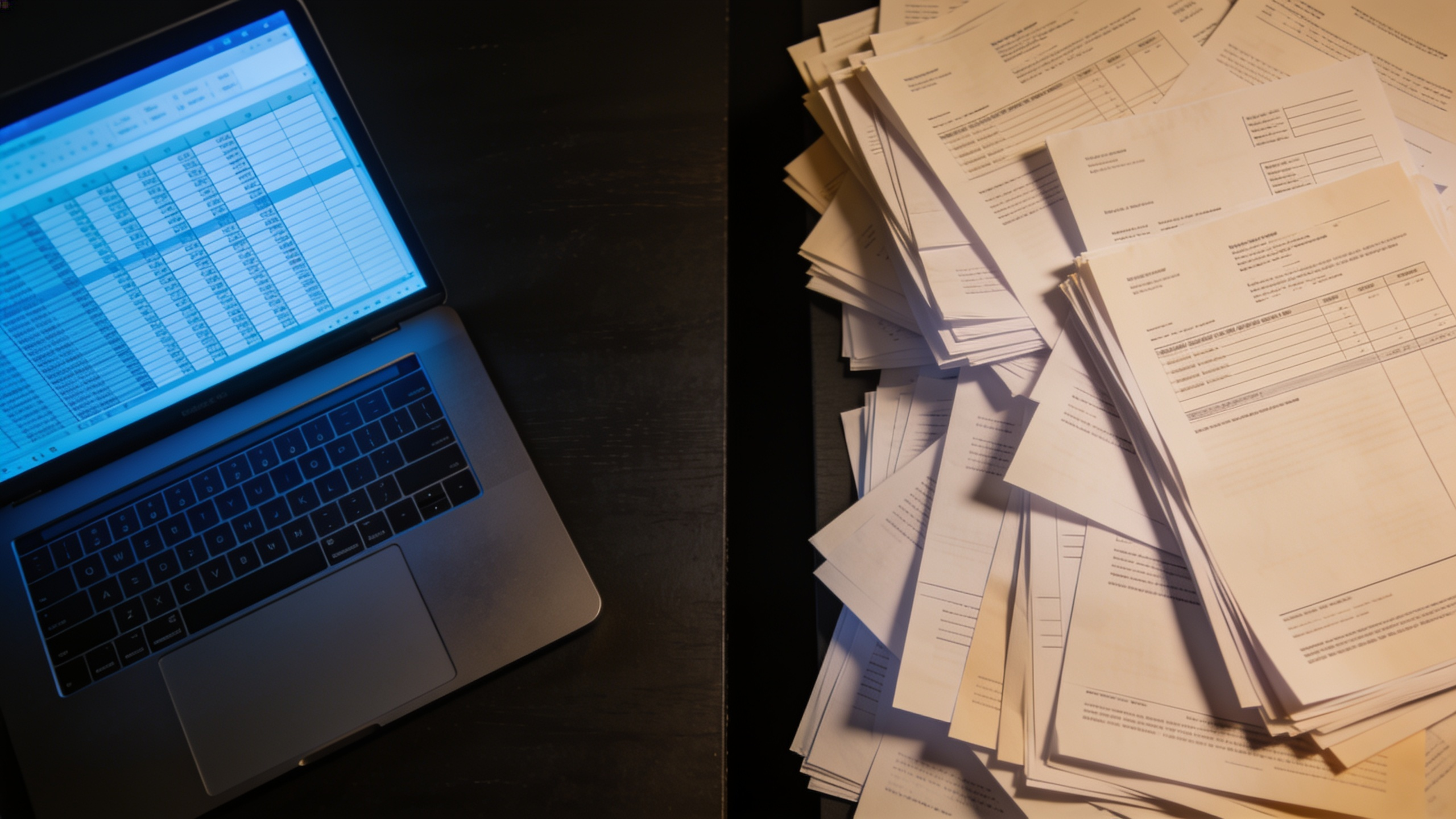
The budget and the spend sit a few inches apart and never touch.
03 — Recording vs. evaluating
Why accounting software can’t solve everything
Accounting platforms like QuickBooks have transformed financial management for small companies. They’re excellent at recording transactions.
But recording a transaction and evaluating a transaction are different jobs. Accounting systems generally assume the invoice being entered is correct.
| What your books don’t tell you |
| — Whether the same invoice was already submitted |
| — Whether a recurring charge increased |
| — Whether a vendor’s pricing has changed significantly |
| — Whether a specific expense category is approaching its budget limit |
| — Which line items are driving spending increases month over month |
Those questions require a different level of analysis. Historically, answering them meant someone manually reviewing invoices, building spreadsheets, and performing comparisons that consume hours every month.
04 — The dangerous middle
The growing complexity of small business operations
Another challenge is that small businesses today are more technology-dependent than ever. A company with 20 employees may have:
Multiple software subscriptions Internet and telecom Cloud infrastructure Equipment leases Facilities vendors Utilities Professional services
Each vendor sends invoices in a different format. Each charges differently. Each can make changes that are easy to miss.
The volume isn’t overwhelming enough to justify a large finance team, but it’s often too large for a business owner to track personally.
| Spending grows more complex while oversight stays manual. |
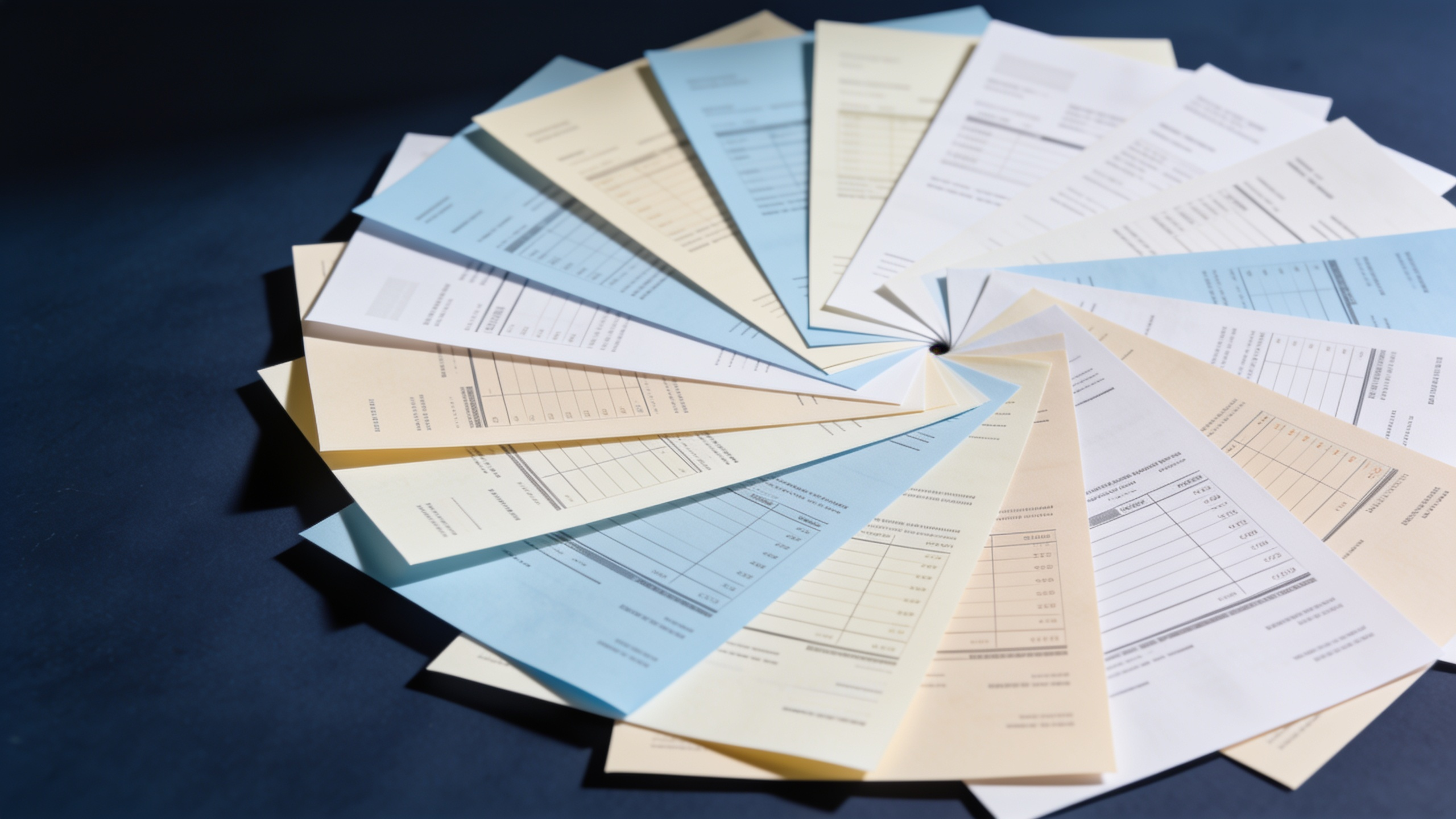
Twenty employees, thirty vendors, thirty different layouts — and one person expected to notice when any of them change.
05 — The better question
What are we missing?
The modern challenge isn’t processing invoices. Most businesses have figured out how to get bills approved and paid.
| What information is hiding inside those invoices that nobody has time to analyze? |
If every invoice contains details about spending trends, rate increases, budget consumption, duplicate charges, and upcoming cash obligations, why are most companies still relying on human inspection to uncover them?
The answer is largely historical. Until recently, extracting meaningful, structured information from financial documents required significant manual effort.
Today, that assumption is changing. Technology is making it possible to move beyond simply storing invoices and instead understand them. Charges can be categorized automatically. Line items can be compared across months. Budget impacts can be monitored in real time. Potential issues can be surfaced before money leaves the bank account.
For small businesses, that’s an important shift. Not because it replaces accounting. Not because it eliminates human oversight. But because it helps owners and managers focus their attention where it matters most: the exceptions, the changes, and the opportunities that would otherwise remain buried in a stack of PDFs.
06 — Looking ahead Visibility is becoming the advantageAs economic pressures continue and margins become harder to protect, small businesses will increasingly need better visibility into where every dollar goes. The organizations that gain that visibility won’t necessarily be the ones with the biggest finance departments. They’ll be the ones that find ways to transform routine financial documents into actionable information.
|